

Housekeeping
The format is settling in - but this time, the big change is less regarding format, and more about the content type. Instead of a heady, data-driven article about City of Seattle municipilania, the main story is a more focused study done during my travels about one of the festivals I visited and interviewed.
Weekly Roundup
This section is a collation of links to the newest blog posts about smaller topics and daily events.
Hokkaido Day 4

Ended day 4 in Hokkaido, in Kitami. Kitami is interesting - large, flat plains spreading out around it, and it’s known for its Onions. Located near the Sea of Okhotsk, it has a weird weather pattern where i…
Hokkaido Day 5

Day 5 in Hokkaido was a hectic day - Kitami all the way to lake Akan. Started the day, went to Kitami city hall and met some of the wonderful civil servants there and provided a few lanyards as a token of appreciation for the wonderf…
Hokkaido Day 6

End of day 6 in Hokkaido (1/29/2026). Today was less about looking at accessibility features in planned environments, and more about looking at natural features a…
Hokkaido Day 7

End of day 7 in Hokkaido (1/30/2026). Traveled from lake Akan all the way down south to Kushiro, where I got to eat a local specialty - Spakatsu. Red sauce spaghetti with Chicken Katsu on top - a …
Hokkaido Day 8

8th day in Hokkaido (1/31/2026) - this time at a festival at lake Shikaribetsu, while based out of Otofuke. Lake Shikaribetsu is a lake located in the mountains nearby Otofuke…
Hokkaido Day 9

Day 9 of Hokkaido and I’m feeling bittersweet. Filming wrapped up, so I had to say goodbye to the crew for now - but I’m sure I’ll see them again. I have rarely been shown such kindne…
Hokkaido Day 10

Day 10 (2/2/2026) in Hokkaido is winding down, and I have had a lot to reflect on today. Another weekly edition of The Lanyard Board will be coming out shortly, so I’ve been working on t…
New Favorite Sources
This section will provide links to sources I think are interesting for the purpose of understanding cities, Seattle and otherwise.
None are provided this time - but check back next week!
New Resources
This section will provide links to resources such as infographics that have been produced in the past week that are useful for understanding, mapping or working with City of Seattle stuff, broadly.
Resource: City of Seattle City Council Standing Committee Changes 2025 - 2026

Infographics that are useful for checking if a specific department has changed oversight from 2025 to 2026 in the City of Seattle.
Weekly Story - Event Overview, Lake Shikaribetsu Ice Festival, Hokkaido, Japan
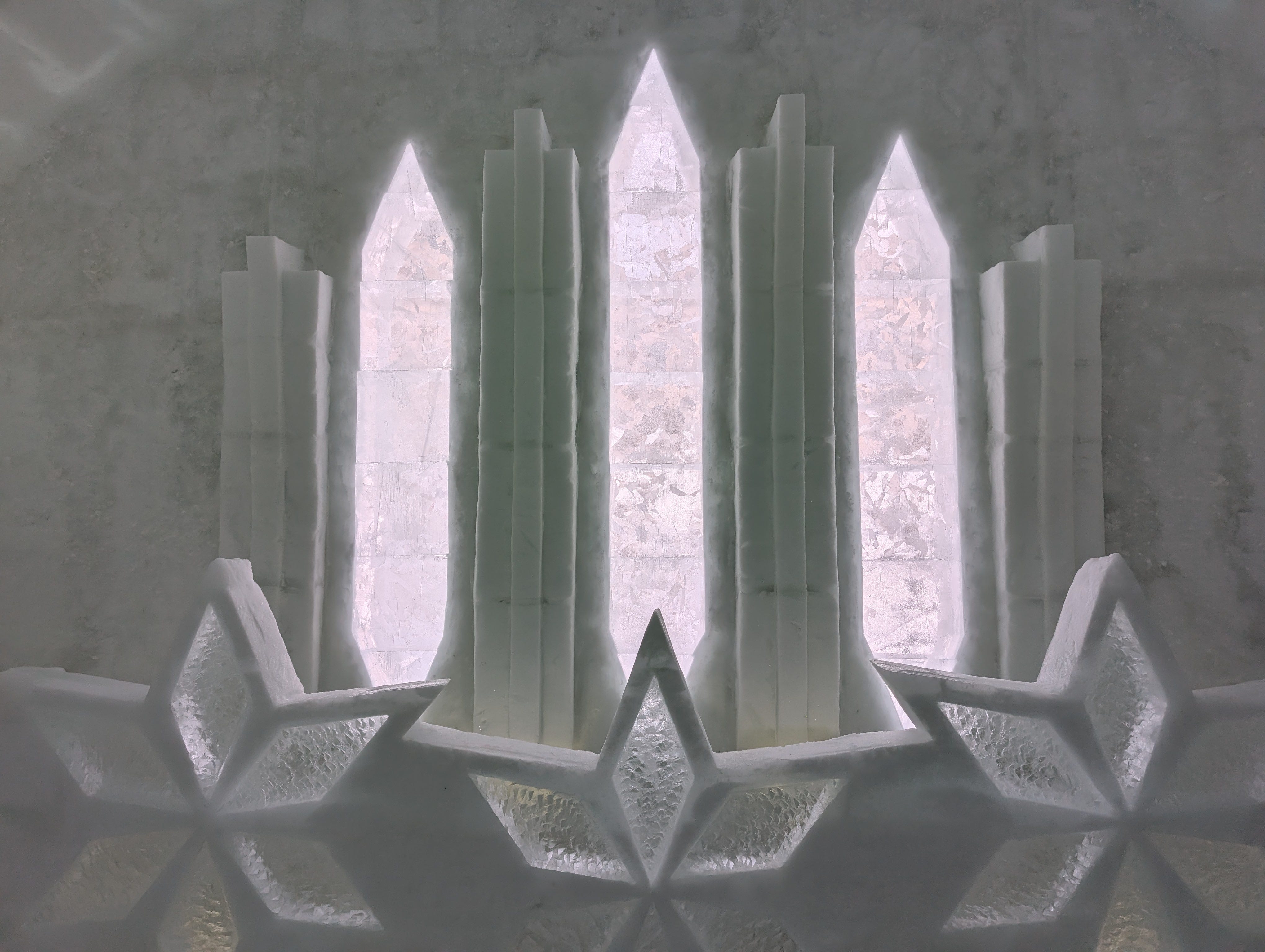
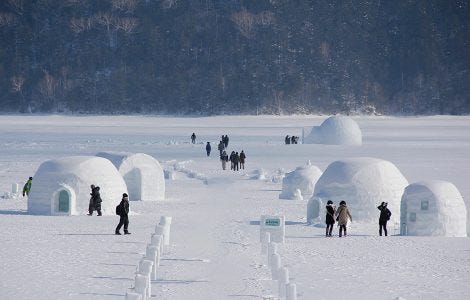
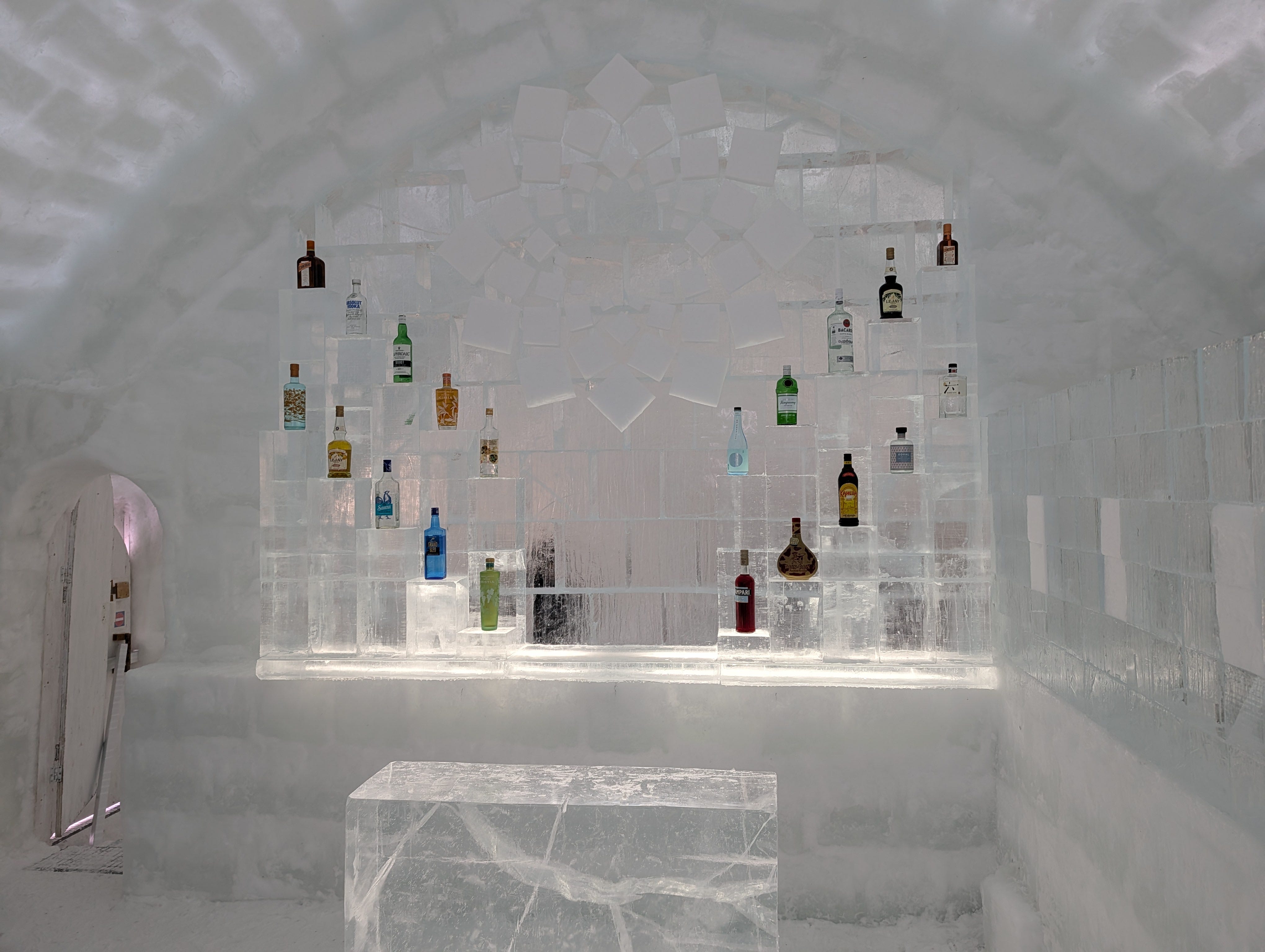
January 31, 2026 I visited Lake Shikaribetsu in Hokkaido, Japan. There, I visited a snow igloo village. All of the buildings that I went and saw were made out of ice and snow - including a fully functional bar made entirely out of ice, where drinks are served in glasses made of ice! It’s an event that attracts about 30,000 people every year, and which started nearly 45 years ago.
History
The foundational myth of this event has it that lake Shikaribetsu has long been a place where people come to play in the snow. More than 45 years ago, people started building things on the ice in an almost playground-like fashion, nearby the Onsen. One of the event managers told me that the people at Lake Shikaribetsu started this tradition not because they were wanting to necessarily create a commercial success, but because it was simply fun.
The fun then turned into more people wanting to join in, and a series of iterations on how that went, until eventually it reached its current iteration. In 2013, the area that surrounds Lake Shikaribetsu, Tokachi Shikaoi, became a Geopark with special protected status along with a focus on environmental research and preservation. For the people who were already playing in the snow and putting together buildings of ice in the winter time, I imagine they already knew that there was something unique or special about the ice that they were using, but after its designation, the world became more aware of these special features. Each year, more than 30,000 people visit lake Shikaribetsu according to the manager I spoke to. They started the tradition 45 years ago just by seeing what they could build - because they found that they could build anything out of snow. Over time, they found that other people wanted to join in on building things out of snow, and eventually they made it into a commercial event in-tandem with the nature center for the Geopark that it would become.
The charm of lake Shikaribetsu is not limited to what volunteers from all over the globe have done with the igloos. The lake itself has been designated as a Geopark, which is a programmatic designation that designates important academic and ecological areas for preservation and study. This is partially because of its unique natural environment, being the highest lake in terms of elevation in all of Hokkaido (~.9 KM elevation). Because of this, the lake freezes in a unique way, and because of the elevation, they have winter for 6 months out of the year, with much of the lake being frozen for the entire duration.
Geopark
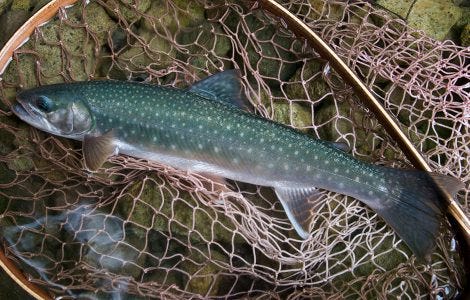
Because of its natural surroundings, and the fact that the lake is known for the rare species of fish that evolved specifically in the lake (Miyabe Charr), the site around lake Shikaribetsu was designated a special protected ecological zone known in Japan as a Geopark. With that status, they have been educating people about the academically valuable aspects of lake Shikaribetsu that make it an important spot that is worth preserving.
Of course, this hasn’t been limited just to the normal year-round operations of the nature/visitor center, but has been incorporated into the event I visited at the end of January. One of the igloos even had some displays that showcased some of the natural properties of the lake, including that the hotspring waters emanating from the mountains around lake Shikaribetsu are released at the bottom of the lake, instead of feeding through the top - what this does is create a layer of thick ice at the top when it freezes in the winter-time, but above-freezing temperatures at the bottom of the lake where the hotspring water is feeding in.
One byproduct of the hotspring waters coming into the lake is that there are gasses that are released from the bottom of the lake that end up bubbling up to the top, leading to ice that has these extremely interesting stridation patterns. As the bubbles get trapped in the ice as the gas rises they get caught under the layer of ice that is frozen from the top. This not only gives the ice some of its character (which was shown to me through some big ice slabs that have these interesting patterns), but also contributes to the natural ecosystem of the lake.
Another thing in this “Science Igloo” I got to see was a display about the fish that has evolved only within lake Shikaribetsu, the Miyabe Charr. The Miyabe Charr is only found in the waters surrounding and within lake Shikaribetsu, and thrive in nutrient-poor environments. The hotspring waters that I experienced at the lake were high in iron and sulfides, so I imagine an environment that is more dense in these create interesting selection pressures for the fish that I’m excited to read more about as further research is conducted.
Onsen Waters
I mentioned earlier that there are hotsprings that naturally emanate from the volcanic mountains surrounding lake Shikaribetsu. In Japan, it is very common for these hotsprings to have infrastructure built around them that we know as “Onsen”, or bathhouses. Often times, onsen serve as engines for economic development in rural, mountainous areas of Japan, as they increase domestic and foreign tourism - if you have never been to an onsen, I would strongly recommend it. These hotspring baths are affordable, relaxing and are seen to promote good health as well as having social benefits.
One of the draws of the lake Shikaribetsu ice festival is that it has an onsen… ON the lake. As in, they set up a huge tub of water that is fed by the hotsprings and then hosed back out from on top of the lake, and they set it up entirely within a building that is made of ice and snow, and they let visitors to the lake come and enjoy a relaxing bath in an open-air hotspring on top of a frozen lake. I am not sure anywhere else in the world actually does this - but when I took a dip, I ended up feeling refreshed and energized in a way I never have before. The warmth of the bath combined with the cold air was enchanting.
Thoughtful Design
The design of the festival was something that I was very interested in asking about. Much of the areas that are “off-limits” (NG) are protected by chest-high snow walls that make the message clear - DO NOT ENTER. Perhaps at a normal festival, you might have a small fence, or some stanchions, or even just some rope that prevents people from easily crossing into a section of the land they aren’t supposed to be on, but it was amazing to see that the walls were made of the same kinds of ice and snow bricks as everything else, making it feel like even though it’s a functional element that they need to keep for the smooth running of their event, it can also feel like a seamless part of the event.
This makes me think about events that I have contributed to in the past, like Big Day of Play, because at BDOP, we sort of went back and forth about the idea of ticketing off the event or roping off the event - and decided ultimately that we shouldn’t do that for reasons of safety, logistics and accessibility. One of the reasons why I think it’s difficult to do things like rope off the event space is that it creates this feeling of “imposition”. We are “imposing” rules on the people who are coming into the space. I think that something like the snow wall, where it serves a cautionary function, but ultimately doesn’t feel unnatural, is a great lesson to bring back with me.
Lessons Learned
Ultimately, I can bring a lot back to the City of Seattle, Seattle Parks and Recreation and Garfield Community Center that would make event-hosting easier, more unique and more impactful. Each year, Garfield Community Center hosts multiple holiday events - a creepy carnival, a holiday party and an egg hunt being some of the yearly events, but turnout can be varied, and some of what I learned today could certainly go some ways towards learning how to make our events more attractive than ever.
There’s evidence here that further tie-in with naturalists could be beneficial in the same way that educational elements were worked into this festival, and what I’ve taken away from the functional + event-natural bits leads me to have some ideas for later this year - how to design events so that they use natural and man-made features towards the end of keeping order and making people feel included. Ultimately, I am very grateful for the kind folks at Lake Shikaribetsu for allowing me to ask them some questions, and for the amazing event they throw every year! If you are interested in learning more about the Tokachi Shikaoi Geopark, visit its website here: https://www.shikaoi-story.jp/en/

The best way to keep up with further conversations is to be a subscriber to The Lanyard Board, and to check out The Lanyard Board on social media.
The Lanyard Board is supported by readers like yourself. If you can, please support the project on Ko-Fi and tip the suggested amount of $2 for every month you feel a spark of enjoyment, insight or curiosity from The Lanyard Board.
Thanks for reading The Lanyard Board! Subscribe for free to receive new posts and support my work.